The quality of the food is fantastic. The different tastes are really good. The menu varies, but it’s definitely not just German food. Service of what you are used to in a hotel. Quick and professional. Multiple different seating areas where you can choose from.
Overview
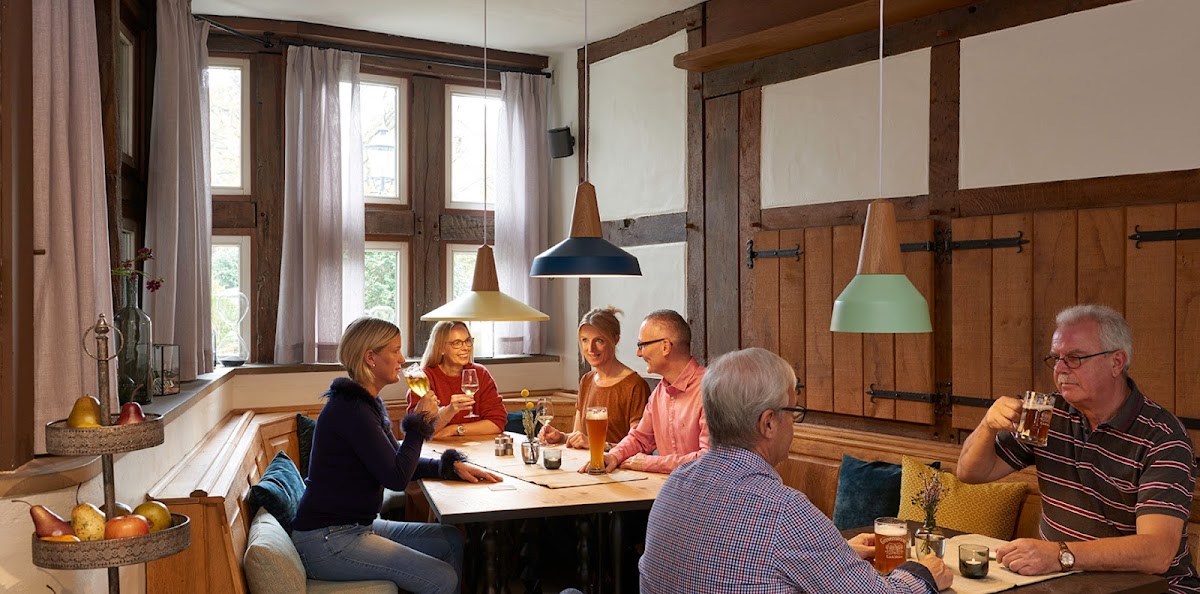
Walking into Restaurant Schnitterhof feels like slipping into a place that already knows you. Set at Salzstraße 5, 59505 Bad Sassendorf, Germany, the restaurant is part of a long-standing hospitality tradition in the region, and that sense of continuity shows up in small, thoughtful ways. I first ate here after a day spent wandering the spa parks nearby, and what stood out immediately was how calm the dining room felt-no rush, no pressure, just an easy rhythm that invites you to slow down and actually enjoy your meal.
The menu leans confidently toward regional German cooking while still leaving room for lighter, modern touches. You’ll find classics inspired by Westphalian cuisine alongside seasonal dishes that change depending on what’s fresh and available. During one visit, the daily special featured locally sourced asparagus, prepared simply and served with a sauce that didn’t overpower the vegetables. That approach reflects what many chefs trained in traditional German kitchens emphasize today: let the ingredients do most of the talking. According to guidance from the German Hotel and Restaurant Association, kitchens that focus on regional sourcing often deliver better consistency and guest satisfaction, largely because the supply chain is shorter and more reliable.
Service here deserves its own mention. The staff work with the kind of quiet confidence that comes from experience. On my second visit, our server explained how certain menu items were prepared and even suggested a wine pairing based on what regular guests tend to enjoy. That kind of practical insight doesn’t come from a script; it comes from actually paying attention to reviews, feedback, and repeat diners. Industry studies published by hospitality research groups like Statista consistently show that knowledgeable service staff are one of the top factors influencing positive restaurant reviews, even more than décor or pricing.
The dining space itself balances elegance with comfort. You’re not surrounded by stiff formality, but you can tell care has been taken with layout, lighting, and acoustics. Conversations stay private, plates arrive without clatter, and everything feels intentional. That’s especially important in a town like Bad Sassendorf, where many guests are visiting for wellness retreats or medical spa stays and want a relaxed evening meal rather than a loud night out.
One practical detail that often gets overlooked in restaurant write-ups is reliability. At Schnitterhof, consistency is part of the appeal. Dishes ordered on different visits tasted the same, portions were steady, and wait times stayed reasonable even on busier evenings. From a professional standpoint, that suggests a well-run kitchen with standardized processes-clear prep lists, controlled sourcing, and experienced line cooks. Culinary management research frequently points out that this kind of operational discipline is what separates good restaurants from forgettable ones.
Reviews from both locals and travelers tend to echo these impressions. Many mention the friendly atmosphere, dependable food quality, and convenient location close to the town center. While no restaurant is perfect-and menus can vary with seasons or staff changes-the overall feedback pattern has remained positive over time. The only limitation worth noting is that diners looking for experimental or highly international cuisine might find the offerings more traditional than adventurous.
As a dining location, Schnitterhof fits naturally into the rhythm of Bad Sassendorf. It works just as well for a relaxed dinner after a spa treatment as it does for a quiet business meal or a family gathering. The restaurant doesn’t try to reinvent regional dining; instead, it refines it, drawing on experience, local knowledge, and a clear understanding of what guests actually want when they sit down at the table.
Good to know
Service options
✓ Outdoor seating ✓ Dine-in ✓ DeliveryHighlights
✓ Great beer selection ✓ Great coffee ✓ Great dessert ✓ Great tea selection ✓ Great wine listPopular for
✓ Breakfast ✓ Lunch ✓ Dinner ✓ Solo diningAccessibility
✓ Wheelchair-accessible car park ✓ Wheelchair-accessible entrance ✓ Wheelchair-accessible seating ✓ Wheelchair-accessible toiletOfferings
✓ Alcohol ✓ Beer ✓ Cocktails ✓ Coffee ✓ Healthy options ✓ Late-night food ✓ Spirits ✓ Vegan options ✓ Vegetarian options ✓ WineDining options
✓ Breakfast ✓ Brunch ✓ Lunch ✓ Dinner ✓ Dessert ✓ Seating ✓ Table serviceAmenities
✓ Bar on site ✓ Toilet ✓ Wi-Fi ✓ Wi-FiAtmosphere
✓ Casual ✓ Cosy ✓ Historic ✓ Quiet ✓ UpmarketCrowd
✓ Family friendly ✓ Groups ✓ TouristsPlanning
✓ Brunch reservations recommended ✓ Reservations required ✓ Dinner reservations recommended ✓ Accepts reservationsPayments
✓ Credit cards ✓ Debit cards ✓ NFC mobile payments ✓ Credit cardsChildren
✓ Good for kids ✓ High chairs ✓ Kids' menuParking
✓ Paid parking lot ✓ ParkingPets
✓ Dogs allowedPhotos
1 / 4
Location
Reviews
- No ratings yet 144 reviews
3-4 feb 2019: see my review at the hotel. But dinner was heavenly, what a fine dining it was! Nice staff.
Heute haben wir das Halbpension-Abendessen als Hotelgäste genossen. Die langen Wege in freundlich breiten Gängen ist der Tribut, den man gerne für das wunderbare Fachwerk-Ambiente zahlt. Einrichtung, Küche und Service sind top.
Отличная гостиница в отреставрированном старом здании. Очень вкусный завтрак в формате шведский стол! Приветливый персонал отеля. Сантехника и электрика в номере работают. Горячая вода есть, но ее приходится постоянно добавлять, тк быстро становится холодной. Кровать удобная. В номере очень чисто. На подушке лежал комплимент от отеля в виде шоколадной конфеты. При отеле есть бассейн. Не было времени его посетить, но из окон он выглядит очень презентабельно. Красивый отель, красивый город. Был рад остановиться именно здесь! Сотрудникам отеля спасибо за их работу! Привет из России!